The Follow-Up Cadence That Books More Jobs
The first contact rarely closes the job. The follow-up does — and most service businesses give up long before the customer was ready to say yes.
LeadRilo Editorial Team
Lead-to-revenue research & writing
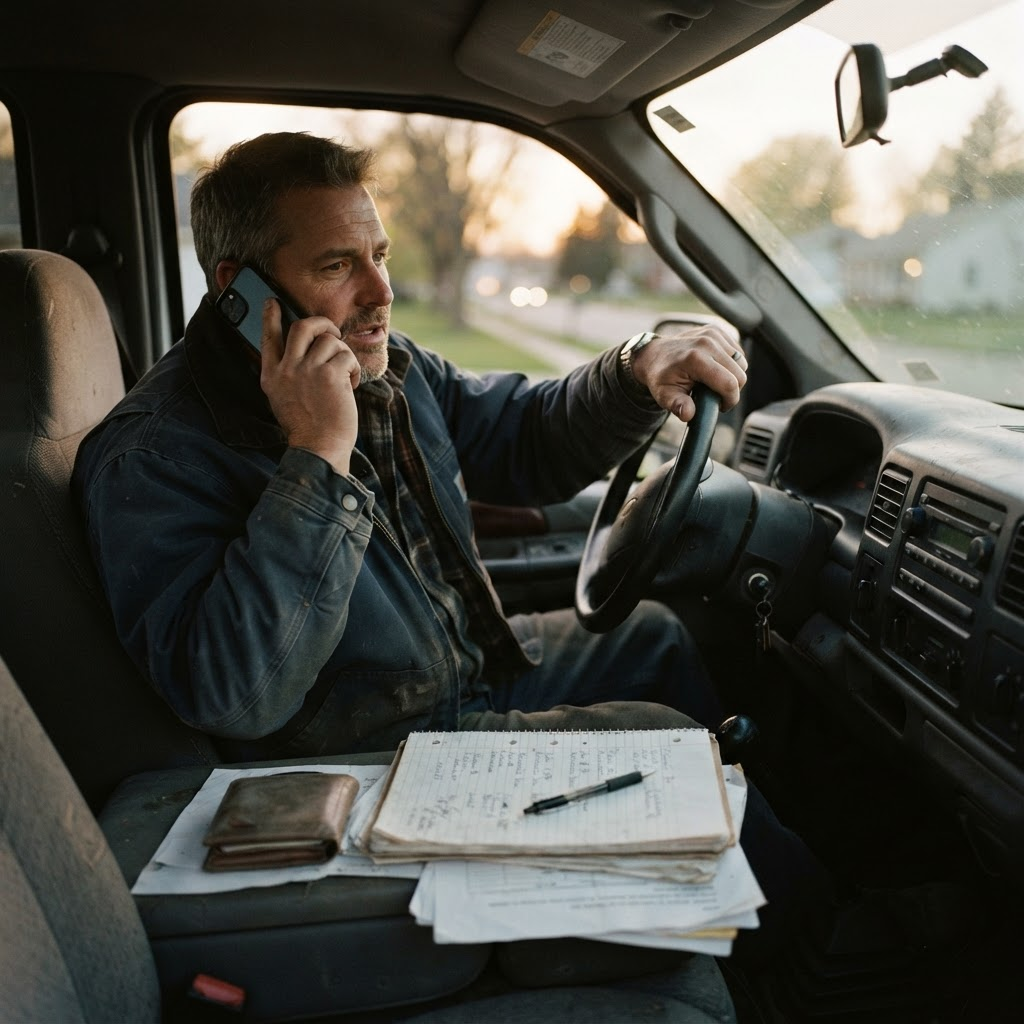
Here is the pattern that plays out in almost every service business: a lead comes in, someone makes contact, maybe sends a quote — and then nothing. One follow-up, if that. The lead didn't say no. They got busy, or they were waiting to hear from a spouse, or the project slipped a week. And because no one followed up again, the job went to a company that stayed in touch.
Follow-up is where jobs are actually won. Not the flashy first call — the patient, consistent presence over the days and weeks a customer takes to decide. This guide lays out a follow-up cadence you can run without feeling like a pest and without relying on anyone's memory.
Why one follow-up is never enough
When a customer doesn't respond, it's tempting to read it as a no. Usually it isn't. Service purchases — a new roof, a remodel, a legal matter — are considered decisions. Customers compare, deliberate, and wait for the right moment. The silence after your first contact is almost never rejection. It's a pause.
The business that follows up a second, third, and fourth time is the one still in the conversation when the customer is finally ready. Persistence isn't pushy when it's helpful — it's the difference between being remembered and being forgotten.
A multi-touch follow-up cadence spread across channels over two weeks.
A cadence you can actually run
A cadence is simply a schedule of touches decided in advance so no one has to improvise. Here is a solid default for a quoted-but-undecided service lead. Adjust the timing to your sales cycle, but keep the structure.
| When | Channel | Message intent |
|---|---|---|
| Immediately | Text or email | Acknowledge and set expectations |
| Same day | Call | Real conversation, answer questions |
| Day 2 | Text | Quick, friendly check-in |
| Day 4 | Add value — a tip, a reference, a reassurance | |
| Day 7 | Call | Direct ask about the decision |
| Day 11 | Text | Light touch, make it easy to say yes |
| Day 14 | Honest 'should we close this out?' message |
Vary the channel, not just the timing
Some customers never answer the phone but reply to a text in seconds. Others ignore texts but read every email. If you follow up on one channel only, you're invisible to everyone who prefers a different one. A good cadence rotates across call, text, and email so you meet each customer where they actually pay attention.
- Calls are best for real conversation and complex questions.
- Texts are best for quick, low-friction check-ins and scheduling.
- Emails are best for adding value — references, photos of past work, and details a customer can revisit.
Make every touch useful
The fear of being annoying is the number-one reason businesses under-follow-up. The cure isn't to follow up less — it's to make each touch genuinely helpful. A follow-up that adds something is welcome. A follow-up that just says 'any update?' over and over is what feels like nagging.
Wanted to share a couple of photos from a roof we finished last week that's similar to yours — happy to answer any questions when you're ready.
Each message should carry a reason to exist: a helpful tip, a piece of proof, a reassurance about a common worry, or a simple way to move forward. Do that, and following up seven times feels like service, not pressure.
Let automation carry the load
Nobody can reliably remember to send a day-11 text to every open lead while also running the business. That's exactly the kind of work automation exists for. A follow-up system fires the scheduled touches automatically, reminds a human when a personal call is due, and stops the sequence the moment a customer replies or books.
Know when to stop
A cadence should have an end. After your final touch, move the lead to a long-term nurture or reactivation track rather than continuing to chase. This keeps your active pipeline honest and your team focused on leads that are actually live — while still keeping the door open for the customer to return later.
Get the cadence right and you'll book jobs you used to lose to silence — not because you were louder, but because you were still there, being helpful, when the customer was finally ready to decide.
Frequently asked questions
How many times should I follow up with a lead?
Plan for at least five to seven touches spread across two weeks for a typical quoted service lead. Most businesses stop after one or two and lose jobs to companies that simply stayed in touch longer. For longer sales cycles, stretch the spacing rather than reducing the number of touches.
How do I follow up without being annoying?
Make every touch useful. Instead of repeatedly asking 'any update?', share a helpful tip, a photo of similar work, or a reassurance about a common concern. A follow-up that adds value is welcome; one that only chases feels like nagging. Also vary the channel so you're not hammering one inbox.
Should follow-up be automated or personal?
Both. Automate the schedule and the low-stakes touches so nothing gets forgotten, and reserve calls and personal notes for the human. The automation ensures consistency; the human adds the relationship. The sequence should always stop automatically once the customer responds or books.